



Maintaining pet hygiene is not only essential for animal health but also plays a critical role in creating a clean and safe home environment. As pet ownership continues to rise globally, the demand for effective and environmentally responsible pet cleaning products has grown significantly. Understanding the science behind these products—particularly materials, formulation, and safety standards—can help both consumers and brands make informed decisions.
Understanding Pet Cleaning Challenges
Pets, especially dogs and cats, introduce a range of contaminants into the home. These include dirt, bacteria, allergens, and organic waste such as urine and dander. Unlike general household cleaning, pet cleaning requires targeted solutions that can break down organic compounds without harming animals.
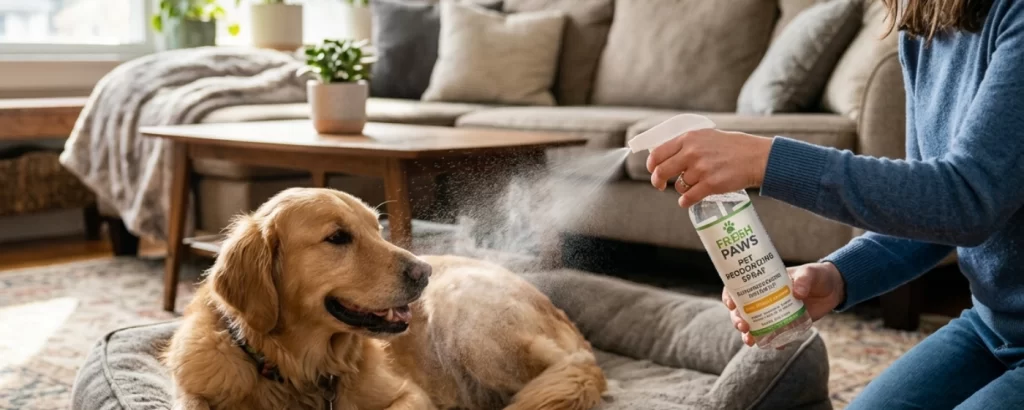
One of the main challenges is odor control. Pet odors are primarily caused by ammonia and sulfur-containing compounds. Effective cleaning products must neutralize these at a molecular level rather than simply masking them with fragrances.
The Role of Materials in Cleaning Performance
Modern pet cleaning tools and products rely heavily on material science. For example, microfiber cleaning cloths and wipes are widely used due to their superior ability to trap dirt and bacteria. The structure of microfiber—composed of ultra-fine synthetic fibers—creates a larger surface area, allowing it to capture particles more effectively than traditional materials.
In recent years, plant-based materials such as bamboo fiber have gained popularity. Bamboo fibers are naturally antibacterial, biodegradable, and highly absorbent, making them ideal for eco-friendly pet wipes and litter solutions. Compared to petroleum-based materials, they offer a more sustainable lifecycle without compromising performance.
Chemical Safety and Pet Sensitivity
Pets are more sensitive to chemicals than humans due to their smaller size and grooming behaviors. Cats, in particular, are highly vulnerable because they ingest residues when licking their fur. This makes it essential for pet cleaning products to avoid harsh chemicals such as chlorine, phthalates, and artificial fragrances.
Instead, many high-quality products now use enzyme-based formulations. Enzymes such as proteases and amylases break down organic stains and odors at the source. This approach not only improves cleaning efficiency but also reduces the need for strong chemical agents.
pH balance is another critical factor. Pet-safe products are typically formulated to match the natural pH of animal skin, minimizing irritation and maintaining the integrity of the skin barrier.
Odor Control: Neutralization vs. Masking
A common misconception is that a strong scent equals effective cleaning. In reality, odor masking can often make the problem worse by layering fragrances over persistent odors. Advanced pet cleaning solutions focus on odor neutralization.
Activated carbon, baking soda, and plant-based deodorizing agents are commonly used to absorb and neutralize odor-causing molecules. Enzyme cleaners further enhance this by breaking down the organic matter responsible for odor generation.
Environmental Considerations
Sustainability has become a major focus in the pet care industry. Traditional cleaning products often rely on non-biodegradable materials and harsh chemicals that can harm ecosystems.
Eco-friendly alternatives prioritize:
- Biodegradable materials
- Renewable raw resources
- Reduced water consumption during production
- Minimal packaging waste
For example, biodegradable wipes and refillable cleaning systems help reduce single-use plastic waste, while plant-based formulations minimize environmental toxicity.
Choosing the Right Products
For consumers and businesses alike, selecting the right pet cleaning products involves balancing performance, safety, and sustainability. Key considerations include:
- Ingredient transparency
- Third-party certifications (where applicable)
- Compatibility with different pet types
- Environmental impact
Conclusion
Effective pet cleaning is a combination of science, safety, and sustainability. As the industry continues to evolve, innovations in materials and formulations are enabling products that not only perform better but also align with environmental values. For brands and consumers, understanding these factors is essential for making responsible choices in modern pet care.


