



Pet hygiene routines have evolved significantly with the introduction of convenient cleaning solutions such as wipes and waterless shampoos. While traditional bathing remains essential, modern pet owners increasingly rely on alternative cleaning methods for daily maintenance. Understanding the differences between these approaches can help optimize pet care routines.
The Role of Traditional Washing
Bathing with water and shampoo has long been the standard for pet hygiene. It is particularly effective for:
- Removing heavy dirt and debris
- Deep cleaning fur and skin
- Managing parasites and skin conditions
Water-based washing allows for thorough rinsing, which helps remove both contaminants and cleaning agents. However, frequent bathing can strip natural oils from the skin, leading to dryness and irritation.
The Rise of Pet Cleaning Wipes
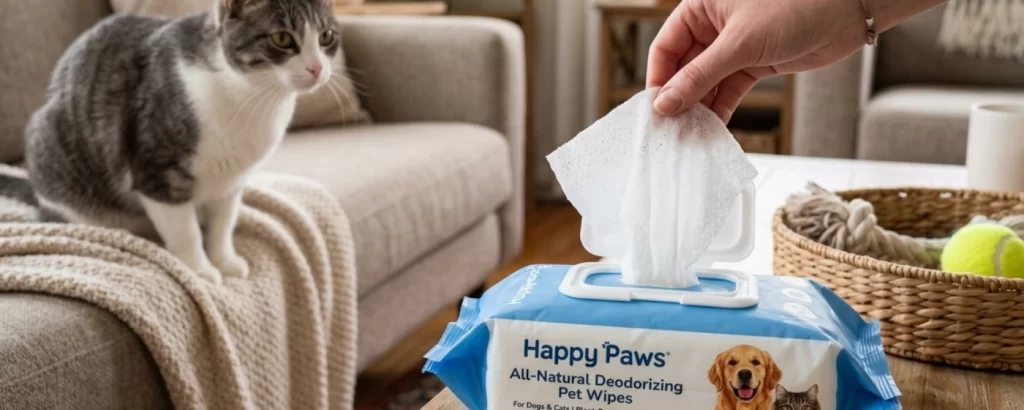
Pet cleaning wipes have emerged as a practical solution for everyday hygiene. They are designed for quick, targeted cleaning and are especially useful for:
- Cleaning paws after outdoor walks
- Removing surface dirt and allergens
- Managing minor odors between baths
High-quality wipes are typically made from non-woven fabrics or biodegradable plant fibers, offering both durability and softness.
Key Differences in Functionality
The primary difference between wipes and traditional washing lies in their depth of cleaning. While bathing provides comprehensive cleansing, wipes are intended for maintenance.
Wipes are particularly effective in urban environments, where pets are exposed to pollutants and require frequent cleaning. They also reduce water usage, making them a more sustainable option in certain contexts.
Skin Health and Sensitivity
One of the advantages of wipes is their gentle formulation. Many are designed with hypoallergenic ingredients and balanced pH levels, making them suitable for sensitive pets.
However, not all wipes are created equal. Products containing alcohol or synthetic fragrances can cause irritation. It is important to choose wipes specifically formulated for pets, rather than repurposing human products.
Convenience and Lifestyle Fit
For busy pet owners, convenience is a major factor. Wipes require no preparation, drying time, or cleanup, making them ideal for:
- Travel
- Post-walk cleaning
- Senior pets or those with mobility issues
In contrast, bathing requires time, space, and proper drying, which may not always be feasible.
Environmental Impact
While wipes offer convenience, they can contribute to waste if not designed responsibly. Biodegradable wipes made from plant-based fibers provide a more sustainable alternative.
Consumers are increasingly seeking products that balance convenience with environmental responsibility, driving innovation in eco-friendly materials.
Best Practices for Use
To maximize effectiveness:
- Use wipes for daily maintenance
- Reserve bathing for deeper cleaning needs
- Choose products with safe, transparent ingredients
- Dispose of wipes responsibly
Conclusion
Both pet cleaning wipes and traditional washing play important roles in pet hygiene. Rather than replacing one with the other, the most effective approach is to use them complementarily. By understanding their strengths and limitations, pet owners and brands can create more efficient and responsible cleaning routines.


